


Introduction
Classic literature is often praised for its timeless wisdom, beautiful language, and deep themes. Yet for many modern readers, getting started can feel intimidating—or even boring. Long paragraphs, unfamiliar language, and slow plots can be a turn-off. But don’t worry. With the right approach, reading classic literature can become enjoyable, meaningful, and even addictive.
In this guide, we’ll show you how to ease into the world of classics without getting overwhelmed or losing interest—no English degree required.
Benefits of reading Classic Literature
Before we dive into strategies, let’s understand why classics are still worth reading:
- They offer timeless insights into human nature and society
- Improve vocabulary and comprehension
- Deepen your cultural literacy
- Enhance critical thinking and empathy
Reading classics isn’t just an academic exercise—it’s a powerful way to connect with ideas that shaped the world.
Want to know which books made our list of essential reads? Check out our top picks for Must Mind Bending Books to read

1. Start With Shorter Classics
Don’t jump straight into War and Peace. Begin with short classic books, more accessible books like:
- Animal Farm by George Orwell
- The Great Gatsby by F. Scott Fitzgerald
- Of Mice and Men by John Steinbeck
- Pride and Prejudice (abridged) by Jane Austen
These books are well-written, fast-paced, and still packed with literary value.

2. Use Modern Translations or Annotated Editions
Older language can be difficult. Look for modern translations or annotated versions that include helpful footnotes. This makes it easier to understand and enjoy what you’re reading.
Try publishers like Penguin Classics, Norton Critical Editions, or Oxford World’s Classics.
3. Watch a Movie Adaptation First
Sounds backward? Maybe. But it works.
Watching a movie or series adaptation helps you understand the plot and characters ahead of time. It gives you context and makes classics interesting. For example, watch the Pride and Prejudice film, then read the novel—you’ll be surprised how much more engaging it feels.

4. Join a Reading Group or Online Forum
Reading with others keeps you motivated. Book clubs, forums, or even subreddits like r/books allow you to discuss ideas, share insights, and ask questions. It turns a solitary activity into a shared experience.
Plus, reading buddies keep you accountable!

5. Set Small Reading Goals
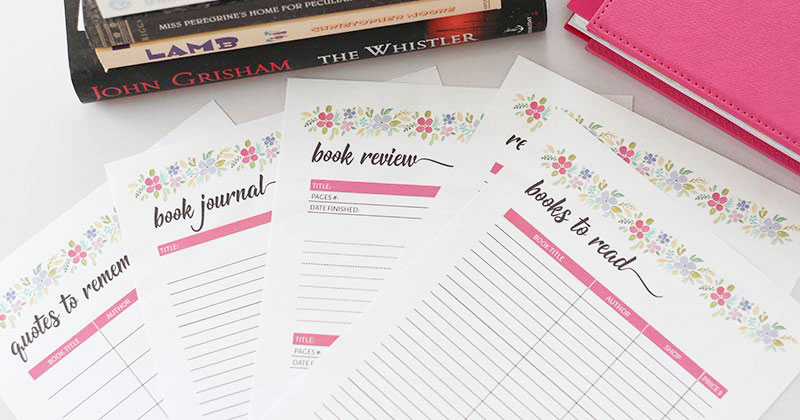
Don’t try to finish a 500-page novel in a week. Break it down into manageable sections—maybe a chapter a day. Use bookmarks or checklists to track your progress. Progress is motivating.
6. Use Audiobooks for a Smooth Introduction
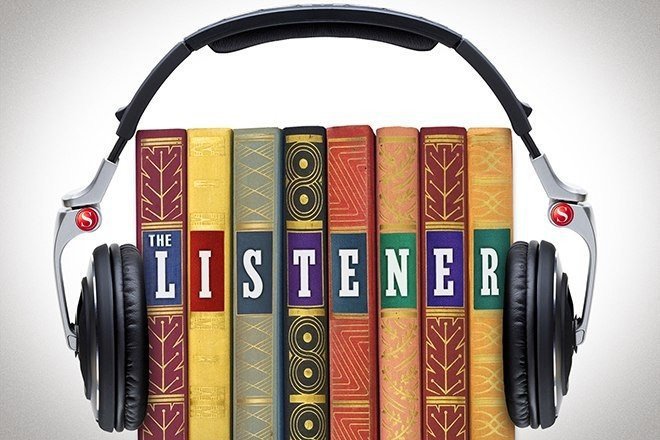
Struggling with the old-fashioned language? Try listening. Audiobooks, especially those narrated by skilled voice actors, bring the story to life and help you grasp tone and pacing more easily.
Apps like Audible, LibriVox, or Spotify have great classic literature options.
7. Research the Historical Context
Understanding the era in which a book was written adds depth. Learn a little about the author’s life, historical events, and the social norms of the time. This makes the characters’ decisions and conflicts more relatable.
8. Don’t Force It—It’s Okay to Pause
If you find yourself bored, take a break. Reading classics shouldn’t feel like a chore. Switch to another book or revisit it later. The goal is to build a lasting habit, not to rush.
Final Thoughts
Classic literature doesn’t have to be boring. With the right strategies, it can become one of the most rewarding reading experiences of your life. Start small, stay curious, and give yourself grace. Before you know it, you’ll be reaching for Dickens or Dostoevsky—and loving every page.


