What Makes Finland’s Education System So Successful?
Across the globe, educators, parents, and policymakers are turning their attention to the Finland’s education system. Known for its progressive values and consistent success in international rankings, Finland has become a symbol of education reform done right.
So, why is Finland’s education system going viral, and more importantly—what can we learn from it?
Let’s dive into the core features of the best education system in the world, and uncover lessons that can reshape how we think about learning.
1. No Standardized Testing—Yet Outstanding Results
In Finland’s education system, students are not subjected to constant exams or high-pressure standardized testing. The focus is on understanding concepts rather than memorizing facts. Moreover, teachers use individual assessments and classroom engagement to measure progress.
This approach fosters critical thinking, creativity, and self-confidence—qualities often missed in exam-heavy systems.
📌 Why it matters: Reducing the testing burden allows students to focus on deep learning, not just performance.
2. Teaching Is a Respected, High-Status Profession
One major reason behind Finland’s education system success is the high quality of its teachers. Every teacher must earn a master’s degree in education, and the selection process is highly competitive.
Unlike in many other countries, Finnish teachers enjoy professional freedom, autonomy in curriculum design, and strong public trust.
📌 What we can learn: Invest in teacher training and empower educators to lead learning—not just follow rules.
3. Start School Later, Learn More
Children in Finland begin formal schooling at age 7. Before that, early childhood education focuses on play-based learning, social interaction, and emotional development.
This allows kids to build a strong foundation before diving into academics, which ultimately improves student well-being and motivation.
📌 Global lesson: Let children be children. Learning through play is essential for balanced development.
4. Shorter Days, Better Balance
While many countries push for longer hours, the Finland’s education system does the opposite. School days are shorter, homework is minimal, and recess is frequent.
This balance gives students time to rest, reflect, and engage in extracurricular activities, boosting both mental health and academic performance.
📌 What this shows:Student-centered learning thrives when balance is prioritized over burnout.
5. Every Child Gets Equal Opportunities
One of the most powerful features of Finnish education is its commitment to educational equity. All schools are publicly funded, and the gap between the strongest and weakest schools is almost non-existent.
Students from all backgrounds receive the same quality of education, which reduces learning disparities and strengthens society.
📌 Takeaway for education systems: Equal access leads to equal success.
6. Real-Life Skills Are a Core Focus
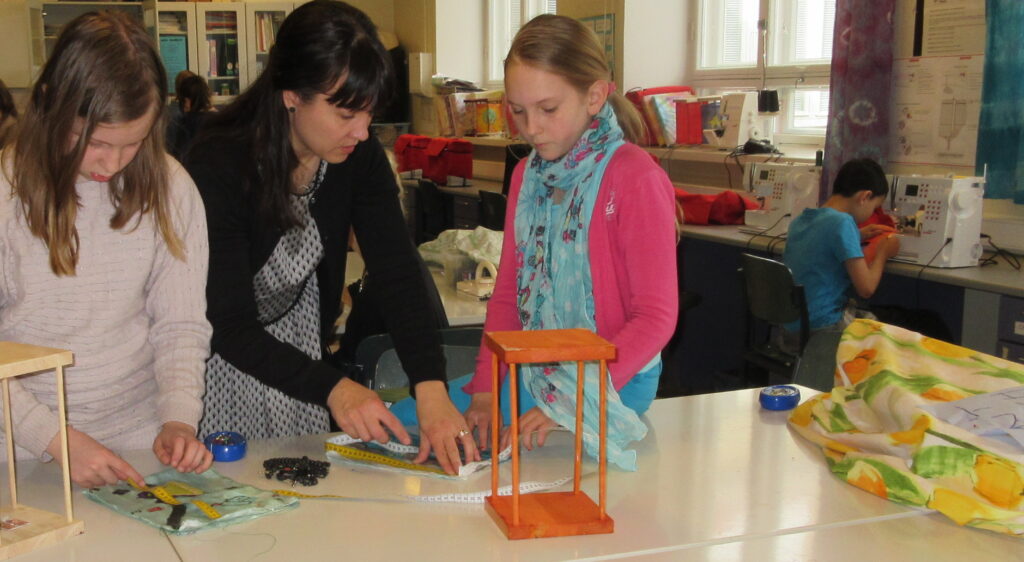
Instead of teaching to the test, Finnish schools emphasize life skills, such as collaboration, communication, problem-solving, and emotional intelligence.
Subjects like music, art, and ethics are not side topics—they are central to the curriculum. Students also learn financial literacy, home economics, and civic responsibility.
📌 Why it’s effective: The world is changing fast. Education must prepare students for real-world challenges.
7. Consistent Innovation and Policy Support
Finland’s education leaders don’t claim to have all the answers. What sets them apart is their willingness to adapt, research, and evolve.
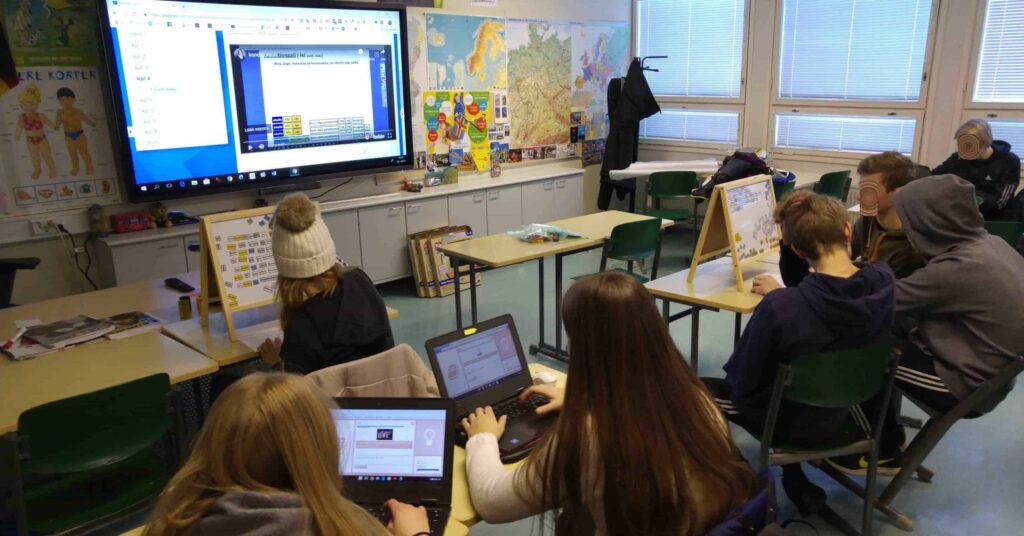
From adopting digital tools to experimenting with phenomenon-based learning, Finland continuously updates its model to fit the needs of a modern world.
📌 Lesson for global systems: Stay flexible. The best education systems evolve with their learners.
Why Finland’s Education System Is More Relevant Than Ever
As debates around education system comparison intensify, Finland offers a refreshing alternative to outdated, rigid systems. It proves that:
Less testing doesn’t mean lower achievement
Shorter school days can lead to stronger results
Teacher autonomy and trust create better classrooms
Equity isn’t idealistic—it’s practical and powerful
Whether you’re a school administrator, a policy-maker, or a concerned parent, there’s something in the Finland‘s education system for everyone to learn.
Final Thoughts
Finland’s viral success story is no accident. It’s the result of thoughtful policy, a deep respect for learning, and a clear focus on what truly matters in education.
By putting students first, trusting teachers, and promoting equal opportunities, Finland has set the global benchmark for the future of education.
If the rest of the world follows even part of Finland’s education system, we might just create a smarter, healthier, and more compassionate generation.
Passionate creator of handmade beaded jewelry, blending elegance and craftsmanship into every piece. Also a blog writer, sharing stories and inspirations behind the art.
Discover creativity with a personal touch!