

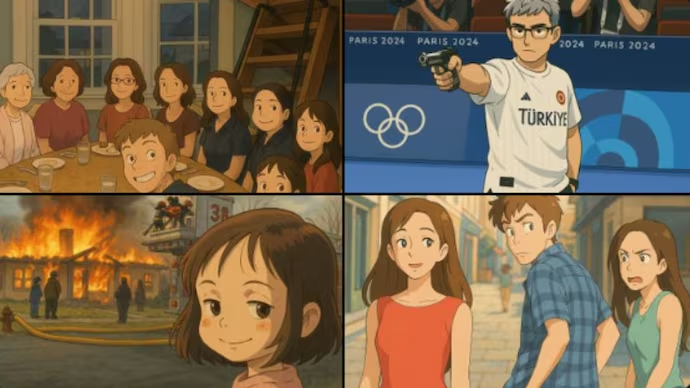
In 2025, Studio Ghibli’s distinctive art style is profoundly influencing the animation industry, captivating global studios, independent animators, and even shaping the development of AI art tools. This resurgence underscores the timeless appeal of Ghibli’s aesthetics and their adaptability in the modern digital landscape.
The Essence of Ghibli’s Art Style
Studio Ghibli, co-founded by the legendary Hayao Miyazaki, is celebrated for its hand-drawn animation, rich storytelling, and intricate attention to detail. The studio’s films, such as Spirited Away and My Neighbor Totoro, are famous for their lush backgrounds, expressive characters, and seamless integration of the natural world with the fantastical. This unique blend creates immersive worlds that resonate deeply with audiences.
Influence on Global Animation Studios
Major animation studios worldwide are increasingly drawing inspiration from Ghibli’s techniques. The emphasis on hand-crafted artistry is combined with digital technology. And it has led to a renaissance in animation aesthetics. Studios are adopting Ghibli’s approach to create emotionally engaging narratives set in visually stunning environments. Moreover, This trend reflects a shift towards storytelling that values depth, beauty, and a connection to nature.
Impact on Independent Animators
Independent animators and artists are also embracing Ghibli’s style, integrating its elements into their own creations. The accessibility of digital tools allows for the replication of Ghibli’s hand-drawn feel, enabling indie creators to produce high-quality animations that evoke similar emotional responses. Also, This democratization of animation has led to a proliferation of content that pays homage to Ghibli’s legacy.
Integration with AI Art Tools
The rise of AI art tools has further propelled Ghibli’s aesthetic into the digital age. Platforms like OpenAI’s ChatGPT have introduced features that transform personal photos into Ghibli-style images. This “Ghiblification” trend has gone viral, with users sharing AI-generated artworks that mimic the studio’s iconic look. However, this phenomenon has sparked debates about the ethics of AI-generated art and its implications for human creativity.
Viral Appeal Among Influencers and Youth
The Ghibli aesthetic has found a passionate audience among influencers and younger demographics. Its themes of environmentalism, nostalgia, and whimsy resonate with contemporary values and aesthetics. Social media platforms are flooded with Ghibli-inspired content, from fashion and interior design to digital art and memes. Furthermore, This widespread adoption highlights the style’s versatility and enduring charm.
Controversies Surrounding AI-Generated Ghibli Art
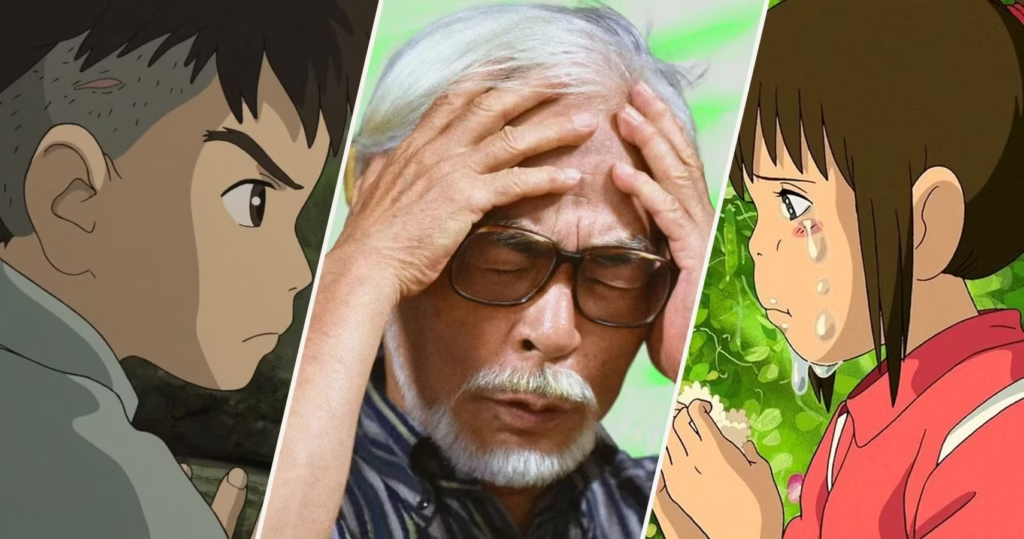
Despite its popularity, the use of AI to replicate Ghibli’s style has not been without controversy. Critics argue that AI-generated art raises ethical and legal concerns, particularly regarding intellectual property rights and the potential displacement of human artists. Hayao Miyazaki himself has expressed disdain for AI in art, describing it as an “insult to life itself.” Additionally, there are privacy concerns, with experts warning that uploading personal photos to AI platforms could compromise user data.
Conclusion
Studio Ghibli’s art style continues to shape the animation industry in 2025, inspiring a new generation of creators and captivating audiences worldwide. While technological advancements like AI offer exciting possibilities for artistic expression, they also prompt important discussions about creativity, ethics, and privacy. As the digital landscape evolves, the influence of Ghibli’s timeless aesthetics serves as a testament to the enduring power of hand-crafted artistry in a rapidly changing world.


