

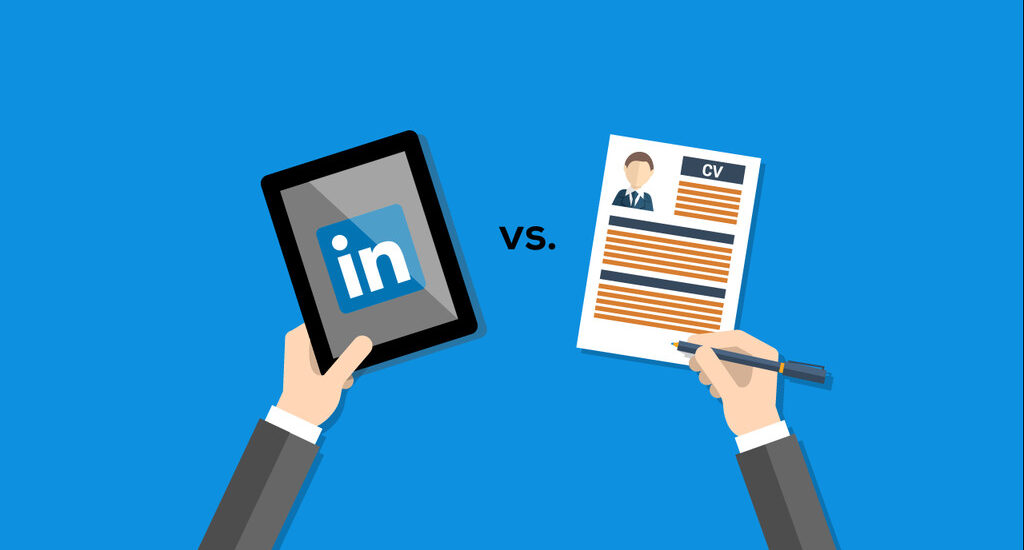
In today’s competitive job market, job seekers often ask: Is your LinkedIn profile more important than your resume in 2025? It’s a fair question. With digital hiring trends on the rise, understanding where to invest your energy can make all the difference. Both documents serve a purpose—but the way recruiters use them is changing fast. In this article you will get details on what’s more important linkedin vs. resume?
How Recruiters View LinkedIn vs. Resume Today
Recruiters in 2025 are busier, faster, and more digital than ever before. Many now start their search on LinkedIn, scanning profiles using filters and keywords to shortlist candidates. A well-crafted LinkedIn profile helps you show up in those searches, while your resume is often used to confirm the details.
So, do recruiters prefer LinkedIn or resume? Not necessarily one over the other—but LinkedIn gets seen first.
Think of your LinkedIn as your digital handshake. And your resume is the formal pitch.
LinkedIn vs. Resume: What’s More Important for Job Applications?
If you’re applying through an online portal or applicant tracking system (ATS), a polished resume is essential. It’s designed to meet the technical requirements many companies use to screen candidates.
But LinkedIn plays a different role. It reflects your online professional branding, showing personality, growth, and credibility. LinkedIn profile tips for job search include adding endorsements, a custom headline, and showcasing achievements visually.
That’s why smart job seekers focus on resume formatting vs profile optimization as separate—but equally important—tasks.
Should You Focus More on LinkedIn or Resume?
Still asking, should I focus on LinkedIn vs. resume? Here’s a breakdown to help:
| When to Focus on Resume | When to Focus on LinkedIn |
|---|---|
| Applying to jobs via ATS | Want recruiters to find you |
| Need industry-specific formatting | Seeking a career pivot |
| Government or academic roles | Targeting startups or remote jobs |
In short, resumes help you get in the door, while LinkedIn helps you get discovered.
Is LinkedIn Replacing Resumes in 2025?
Not quite—but it’s catching up fast.
The idea of LinkedIn vs resume in 2025 reveals a powerful shift: many companies now rely on LinkedIn to evaluate personality, connections, and credibility before even requesting a resume. In some creative or freelance roles, your LinkedIn profile might be enough to land an interview.
That said, resumes still matter—especially for formal hiring processes and regulated industries.
Which Matters More for Career Growth?
When it comes to linkedin vs resume for career growth, LinkedIn wins. It’s living proof of your progress. It shows how you think, what you share, and who you connect with.
It’s also where headhunting on LinkedIn happens most often. Recruiters browse for people with the right skills, and a keyword-rich job profile helps you stand out.
Your resume, on the other hand, is static. It’s a one-page snapshot, not a living document.
The Role of LinkedIn in Remote and Global Jobs
In 2025, remote hiring is no longer a trend—it’s the norm.
So, how does that change things? For one, the debate around linkedin vs resume for remote jobs is heating up. Global recruiters are more likely to look at your LinkedIn to understand who you are beyond just a bullet list of skills.
Your personal branding for job seekers—how you present yourself online—can influence whether or not you’re considered for roles that aren’t even posted yet.
Best Strategy? Use Both the Smart Way
Rather than asking, LinkedIn vs. resume for getting hired, the real strategy is: make them work together.
Here’s how:
- Use your resume for formal applications.
- Use LinkedIn to showcase your story, build credibility, and get discovered.
- Align the two, but don’t copy-paste. Add depth on LinkedIn that you can’t fit into your resume.
Also, don’t forget to optimize LinkedIn over resume for 2025 trends—add multimedia, featured links, and measurable results.


