

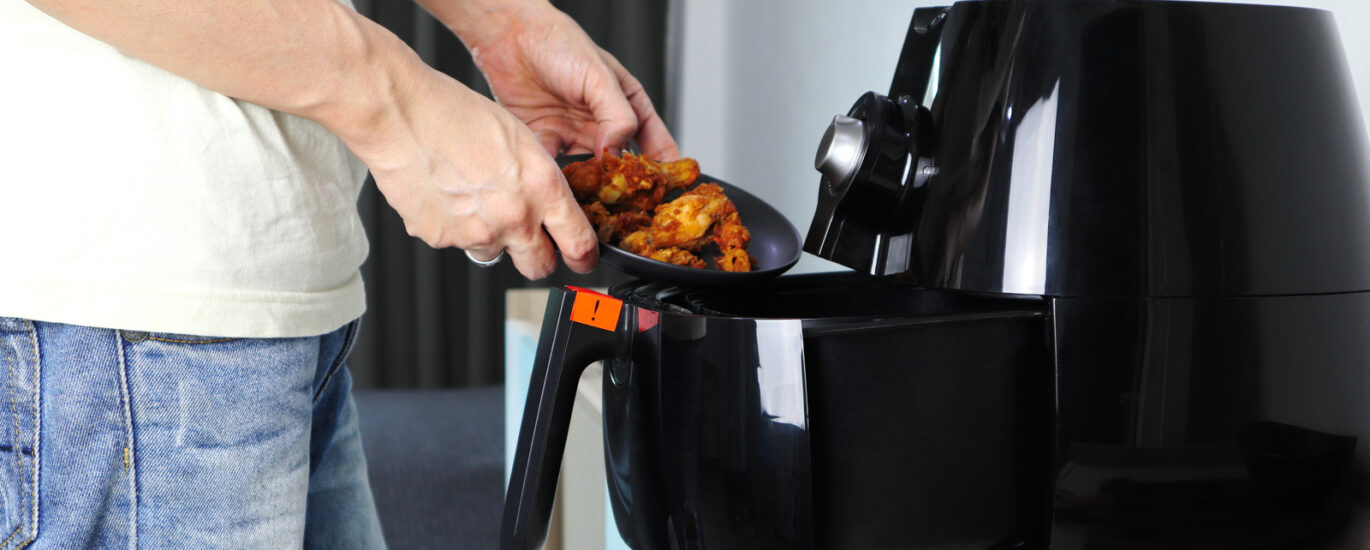
Air fryers have taken the culinary world by storm, promising crispy delights with little to no oil. But is this claim too good to be true? Let’s delve into the mechanics of air fryers, their oil requirements, and the health implications of using them.
Understanding Air Fryer Technology
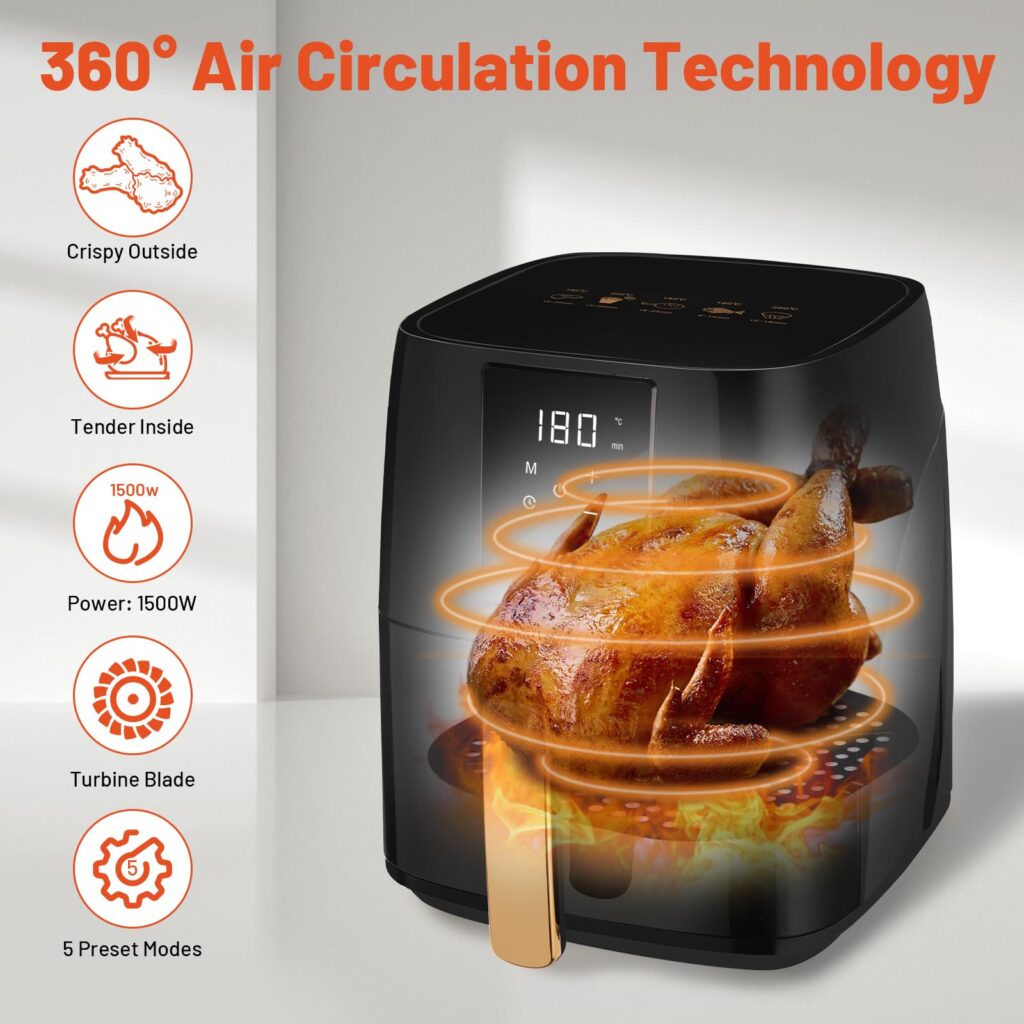
At their core, air fryers are compact convection ovens. They circulate hot air around food, producing a crispy exterior similar to traditional frying but with significantly less oil. This method not only reduces fat content but also offers a quicker cooking experience
Do Air Fryers Require Oil?
While many recipes boast “oil-free” cooking, the reality is that a minimal amount of oil enhances the texture and flavor of air-fried foods. Typically, a light spray or about one tablespoon of oil suffices, especially for items like vegetables or lean meats. This is a stark contrast to deep frying, which can require several cups of oil.
Health Benefits of Using an Air Fryer
- Reduced Calorie Intake: Air frying can cut calorie consumption by up to 80% compared to deep frying.
- Lower Fat Content: Using less oil means lower fat content in meals, aiding in weight management and heart health.
- Decreased Harmful Compounds: Air frying reduces the formation of acrylamide, a potential carcinogen found in high-temperature cooking of starchy foods.
Potential Risks and Considerations
Despite its benefits, air frying isn’t without concerns:
- Cholesterol Oxidation Products (COPs): Cooking meats at high temperatures can produce COPs, linked to heart disease. Incorporating antioxidants like parsley or chives can mitigate this.
- Nutrient Degradation: High heat can reduce levels of beneficial nutrients, such as omega-3 fatty acids in fish.
- Formation of Other Harmful Compounds: Compounds like polycyclic aromatic hydrocarbons (PAHs) can still form during air frying, albeit in lower quantities than deep frying.
Tips for Healthier Air Frying
- Use Minimal Oil: Opt for a light spray or brush of oil to achieve desired crispiness.
- Avoid Overcrowding: Ensure even cooking by not overloading the air fryer basket.
- Regular Cleaning: Clean the appliance regularly to prevent buildup of food particles and oil residues.
- Monitor Cooking Times: Overcooking can lead to the formation of harmful compounds; always follow recommended cooking times.
Conclusion
Air fryers offer a healthier alternative to traditional frying methods, significantly reducing oil usage and associated health risks. While they aren’t entirely oil-free, the minimal oil required can lead to healthier meals without sacrificing taste. As with any cooking method, being informed and cautious ensures the best outcomes for your health and palate
Ready to embrace healthier cooking? Explore our guide on best air fryer and tips to make the most of your appliance!


