


As temperatures rise and the sun, starts shining brighter, our food preferences often shift towards lighter and fresher foods. We choose food, which provide with hydration and essential nutrients. Among these, salads stand out as a staple of summer cuisine. As it offers a bundle of benefits that go beyond mere refreshment. From boosting hydration to providing a nutrient-packed meal, salads are not only delicious but also contribute to our overall health. Here are some common and significant benefits of salad.
Hydration and Refreshment
One of the most basic benefits of salad is their high water content, which helps keep the body hydrated. Lettuce, cucumbers, tomatoes, and other common salad ingredients are rich in water. It makes salads an excellent choice to beat thirst and replenish fluids lost through perspiration. Moreover, this hydration factor is important in preventing dehydration. It is a common concern during hot weather when the body loses water more rapidly.
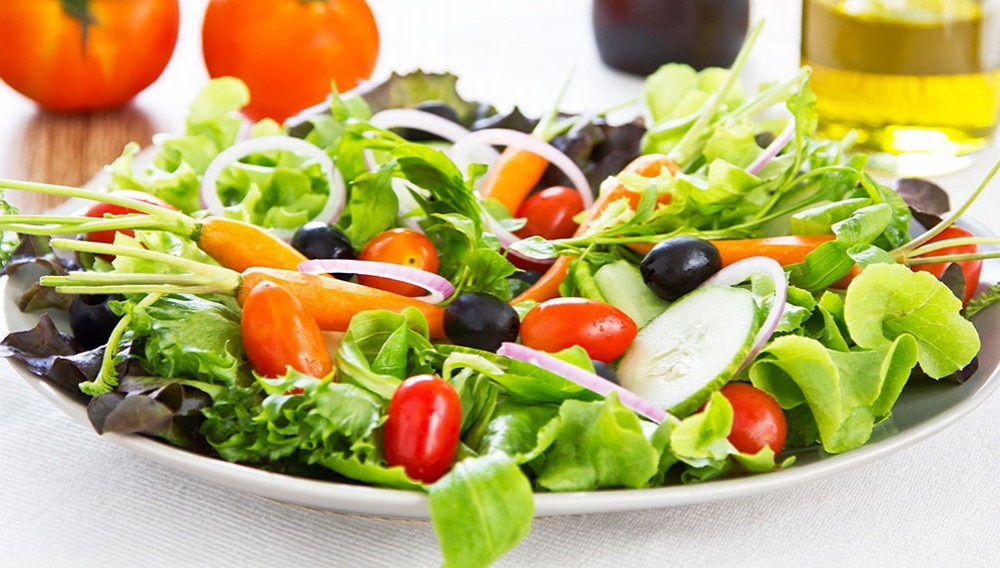
Nutrient Density
Salads are a powerhouse of essential vitamins, minerals, and antioxidants. Fresh vegetables such as leafy greens (spinach, kale, and arugula) are full of vitamins A, C, and K, as well as folate and fibre. In addition, colourful vegetables like bell peppers, carrots, and radishes enhances the nutrient profile, providing a variety of beneficial phytonutrients. These nutrients support immune function, promote healthy skin, aid in digestion, and contribute to overall vitality. Furthermore, it is essential for maintaining wellness when the heat can otherwise sap our energy.
Weight Management
One more benefits of salad is weight management. Incorporating salads into your summer diet can help in weight management and promote satiety without excess calories. Leafy greens and vegetables are low in calories but high in fibre, which helps you feel full longer. Other than this, it can prevent overeating and unnecessary snacking on calorie-dense foods. Additionally, salads often incorporate lean proteins such as grilled chicken, tofu, or beans, which further enhance satiety and provide essential amino acids for muscle repair and maintenance.
Cooling Effects
Certain ingredients commonly found in salads, such as cucumber, mint, and citrus fruits like lemon or lime, have natural cooling properties. These foods help regulate body temperature and provide relief from the heat. In short incorporating them into salads not only adds refreshing flavours but also enhances the salad’s ability to cool and invigorate—making it a perfect choice for hot summer days.
Digestive Health
Fiber-rich salads support digestive health by promoting regular bowel movements and feeding beneficial gut bacteria. Vegetables like broccoli, cabbage, and Brussels sprouts are famous for their digestive benefits, aiding in the breakdown of food and facilitating nutrient absorption. In addition, including a variety of fibers in salads—both soluble and insoluble—can help constipation and promote a healthy gut environment.
Versatility and Creativity
One of other greatest benefits of salads is their versatility. They can be customized according to individual tastes and dietary preferences, accommodating vegetarian, vegan, gluten-free, or paleo diets with ease. From simple garden salads to complex grain-based salads or protein-packed power bowls, the possibilities are endless. Experimenting with different combinations of vegetables, fruits, nuts, seeds, and dressings not only keeps meals exciting but also ensures a diverse intake of nutrients throughout the summer season.
Supports Skin Health
The combination of vitamins, antioxidants, and hydration provided by salads contributes significantly to skin health. Vitamin C, found in abundance in citrus fruits and leafy greens, promotes collagen production and protects the skin from sun damage. Beta-carotene, present in carrots and bell peppers, enhances skin elasticity and reduces the signs of aging. Moreover, the water content of salads helps maintain skin hydration from within, giving it a radiant, healthy appearance despite exposure to summer heat and sun.
Conclusion
In conclusion, salads are not just a light summer meal option—they are a nutritional powerhouse that supports hydration, weight management, digestive health, and overall well-being. Packed with essential vitamins, minerals, antioxidants, and fiber, salads provide a refreshing and versatile way to nourish your body during the hot summer months. Whether enjoyed as a side dish, a light lunch, or a main course, incorporating salads into your summer diet can have profound benefits for your health, helping you stay cool, hydrated, and energized throughout the season.


